 HotSHAPES GAMESHAPES GAME
 HotFruits and VegetablesFruits and Vegetables
 HotCute Girl Jigsaw PuzzleCute Girl Jigsaw Puzzle
 HotSpot The PatternsSpot The Patterns
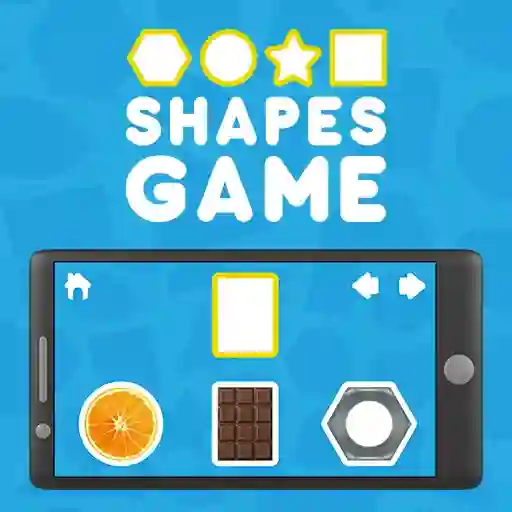 HotSHAPESSHAPES
 BTS Kids PuzzleBTS Kids Puzzle
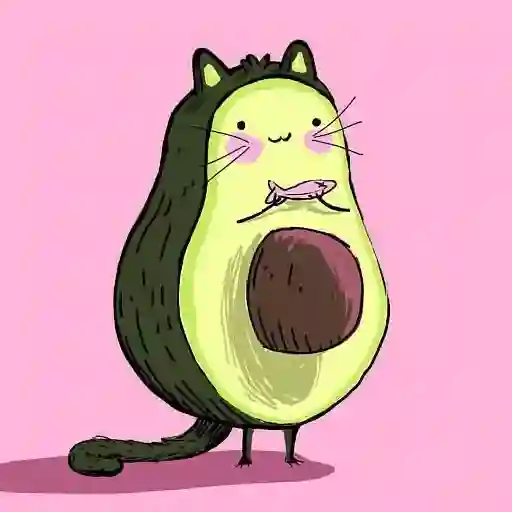 Avocado Puzzle TimeAvocado Puzzle Time
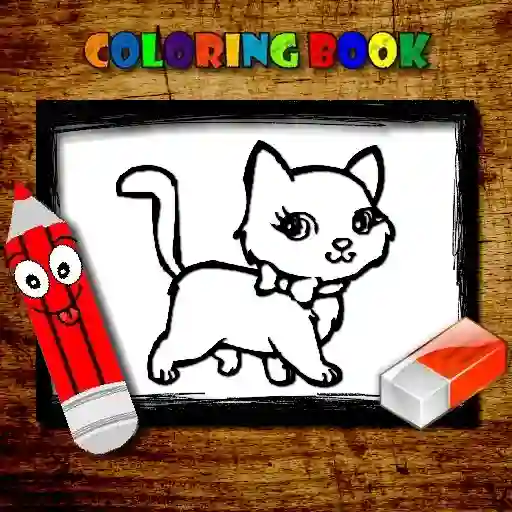 BTS Animals Coloring BookBTS Animals Coloring Book
 Baby AnimalBaby Animal
 Easy Kids Coloring LOLEasy Kids Coloring LOL
 OppositesOpposites
 HotAligator PuzzleAligator Puzzle
 Motorbikes Jigsaw ChallengeMotorbikes Jigsaw Challenge
 BTS Doggy Coloring BookBTS Doggy Coloring Book
 Squirrel Coloring BookSquirrel Coloring Book
 Cartoon Ship PuzzleCartoon Ship Puzzle
 BTS Kids Car ColoringBTS Kids Car Coloring
 my puzzlemy puzzle
 Letter ShapesLetter Shapes
 BTS Rally Car Coloring BookBTS Rally Car Coloring Book
 Baby Hazel In PreschoolBaby Hazel In Preschool
 BTS Donkey Coloring BookBTS Donkey Coloring Book
 ProfessionsProfessions
 SHADOWS GAMESHADOWS GAME
 BTS LoL Coloring BookBTS LoL Coloring Book
 Drop LettersDrop Letters
 ABC gameABC game
 BTS Pig Coloring BookBTS Pig Coloring Book
 1+11+1
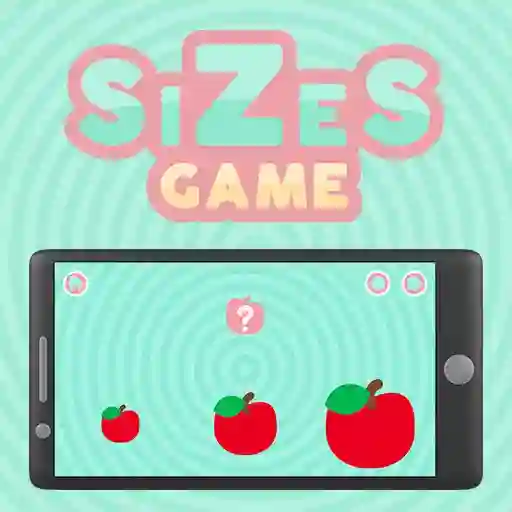 Sizes gameSizes game
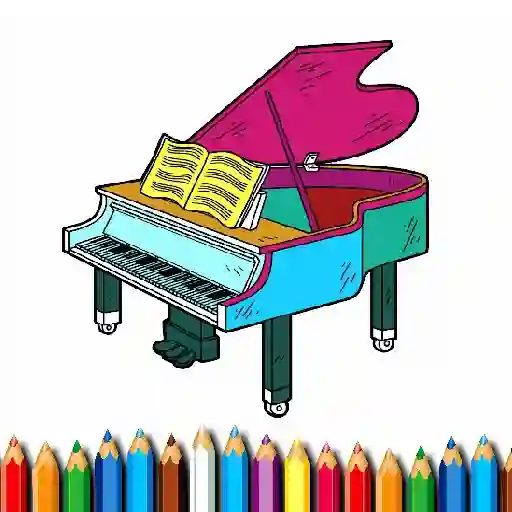 BTS Piano Coloring BookBTS Piano Coloring Book
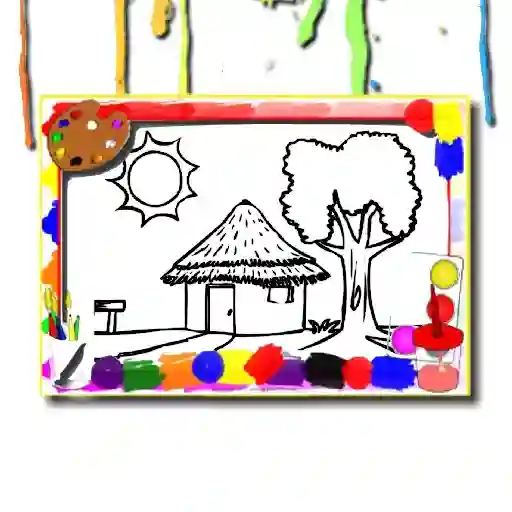 BTS House Coloring BookBTS House Coloring Book
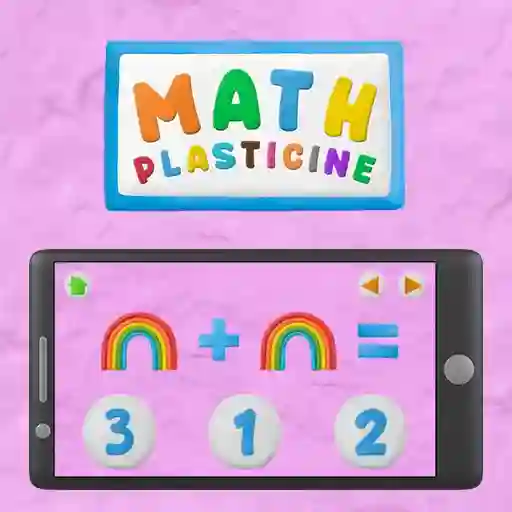 MATH PLASTICINEMATH PLASTICINE
 Pixel Art Coloring BookPixel Art Coloring Book
 3 PIECES GAME3 PIECES GAME
Preschool games on NowGames.net are free browser games for kids, students, and curious players who want learning games that still feel playful. Browse 35 free preschool games with instant play, no downloads, and picks built around practice-friendly challenges, clear feedback, and helpful repetition.
Explore Preschool games on NowGames.net with instant browser play, no downloads, and no account required. These games focus on letters, numbers, memory, school skills, quizzes, and learning through play, making the category useful for quick breaks as well as longer sessions. This category currently includes 35 free preschool games, so there is room to compare styles and find a favorite.
Preschool games are built for kids, students, and curious players who want learning games that still feel playful. Expect practice-friendly challenges, clear feedback, and helpful repetition, clear goals, and rounds that are easy to start from a phone, tablet, Chromebook, or desktop browser. Popular picks include SHAPES GAME, Fruits and Vegetables, Cute Girl Jigsaw Puzzle, and Spot The Patterns, giving you a quick starting point before you explore the full list.
Pick a game based on your mood: choose alphabet or word games for language practice, or pick number and quiz games for sharper thinking. Try a few rounds, notice the controls, and keep the games that match your pace. If you want a nearby style, continue with Arcade.
Preschool games are free browser games focused on letters, numbers, memory, school skills, quizzes, and learning through play. This category gathers playable preschool titles you can start quickly on NowGames.net.
Yes. The preschool games listed here are free to play online, with no downloads, app installs, or account sign-ups required.
Most preschool games run in modern browsers on phones, tablets, Chromebooks, laptops, and desktop computers. If one game needs a keyboard, try another from the same category.
Start with SHAPES GAME, Fruits and Vegetables, and Cute Girl Jigsaw Puzzle. These picks are useful entry points, then you can sort the category to find newer preschool games.
Pick based on your mood: choose alphabet or word games for language practice, or pick number and quiz games for sharper thinking. Shortlist games with clear controls, fast loading, and goals that fit the kind of session you want.
