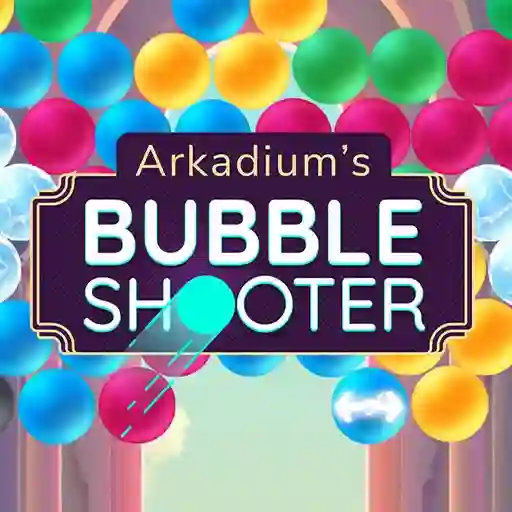
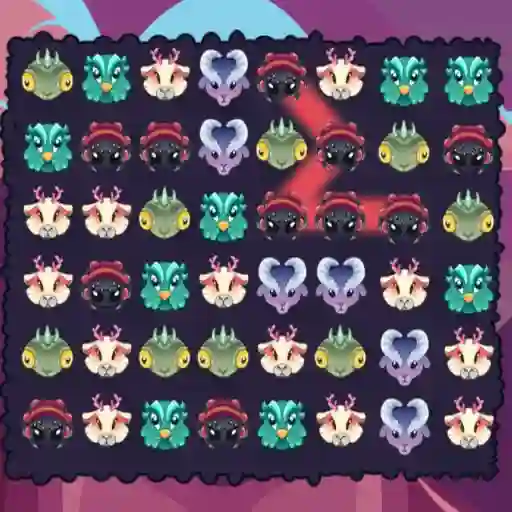
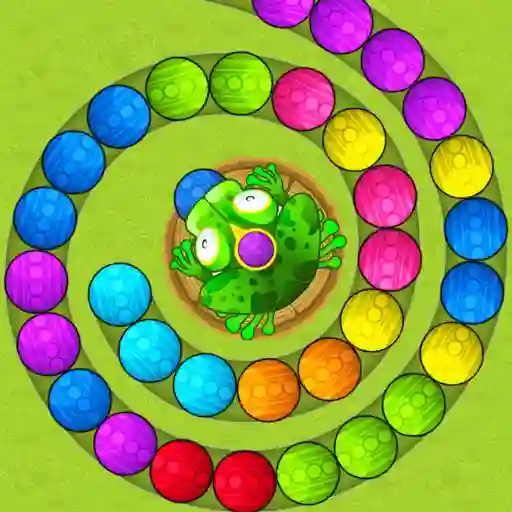
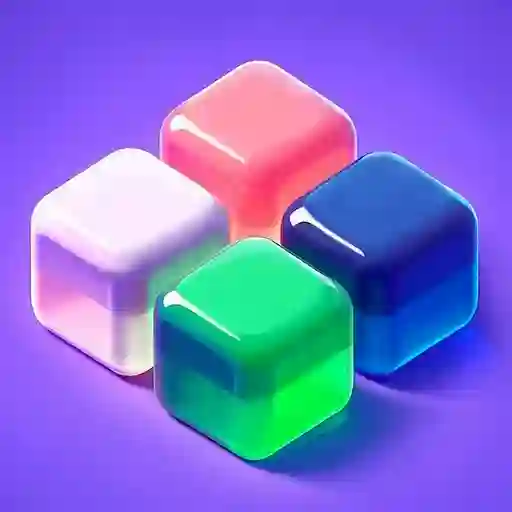
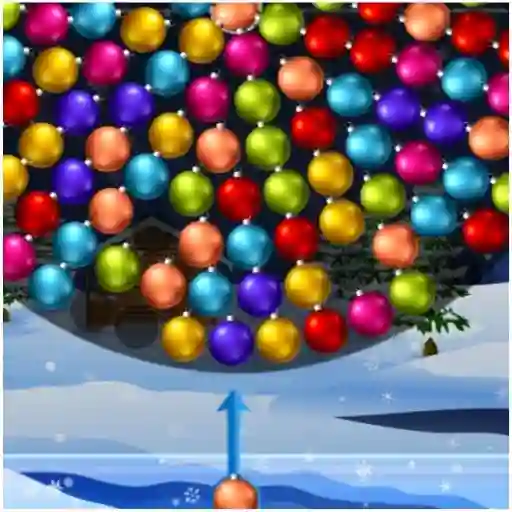
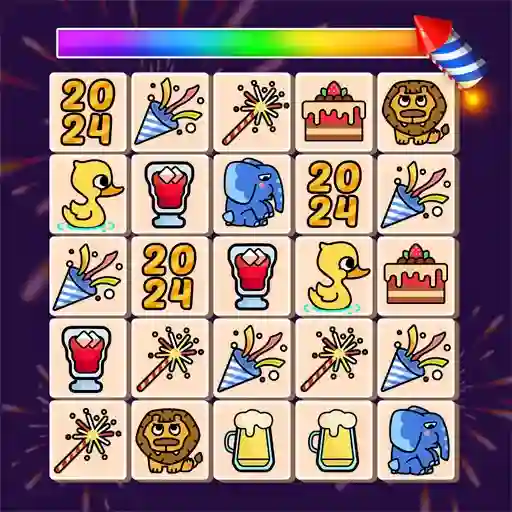
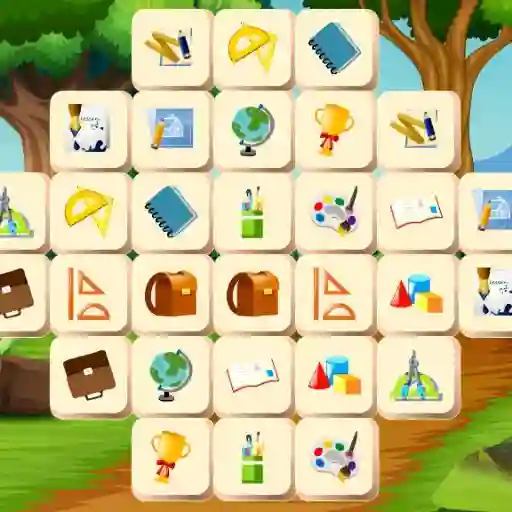
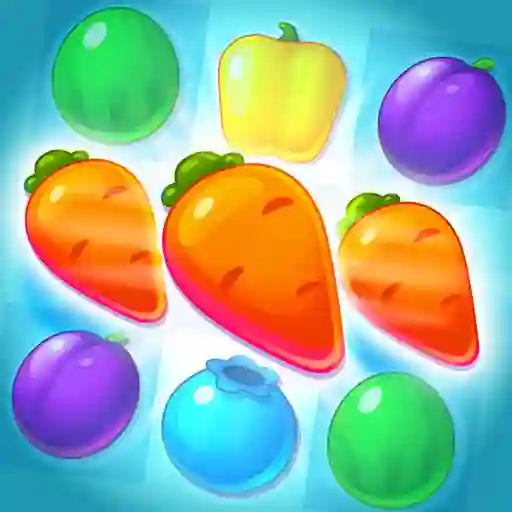
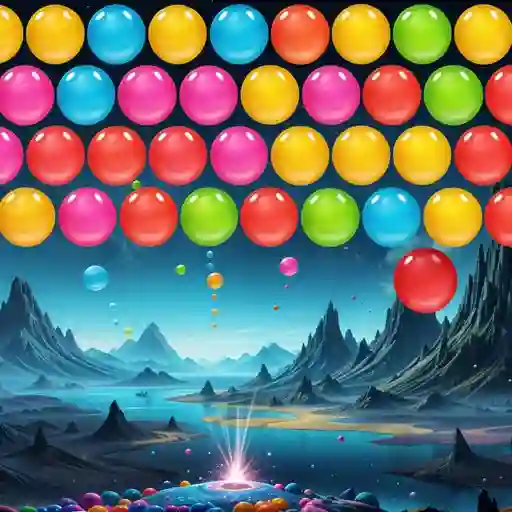

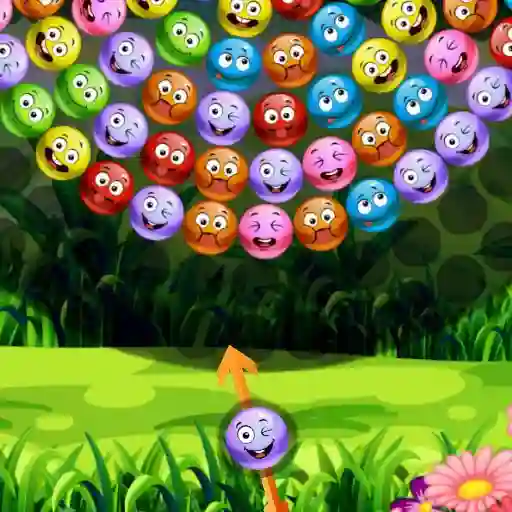
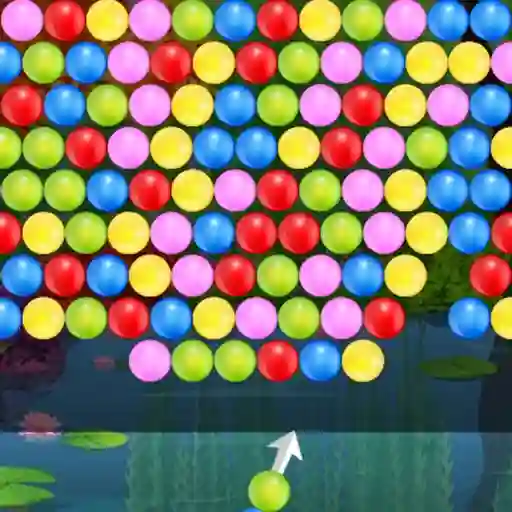


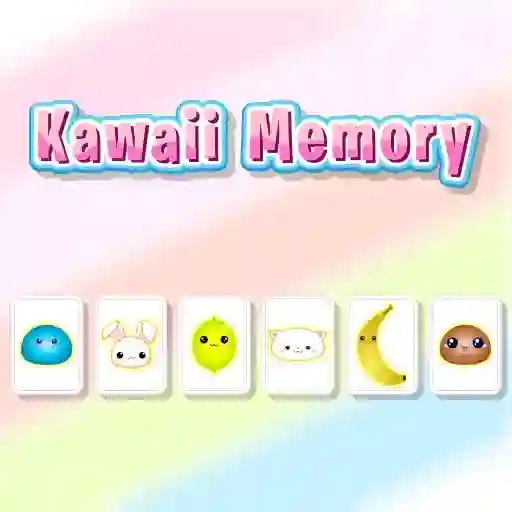
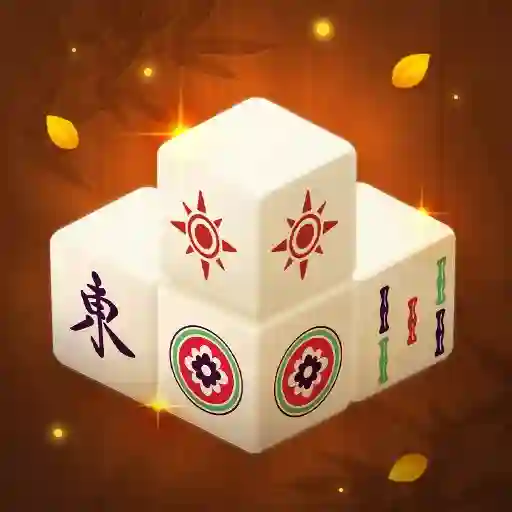

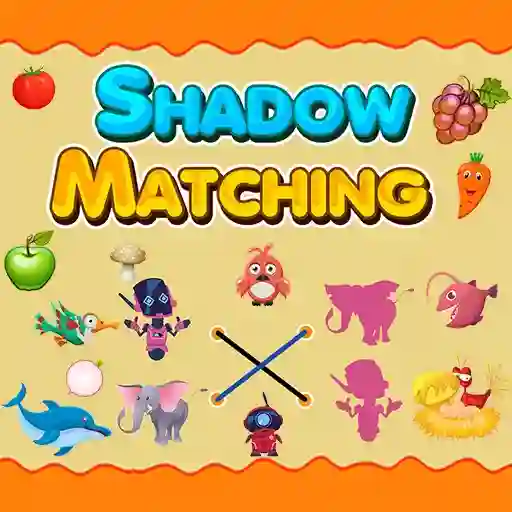
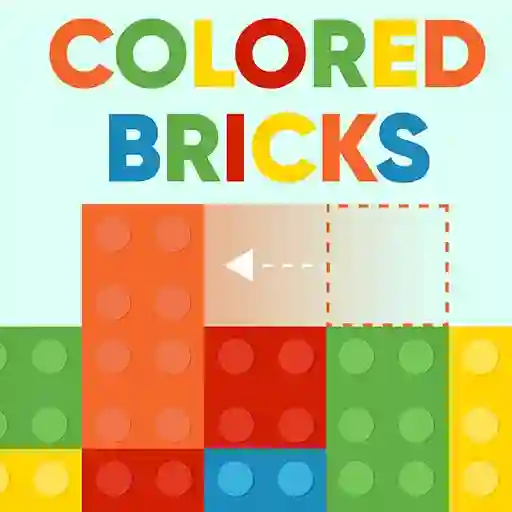
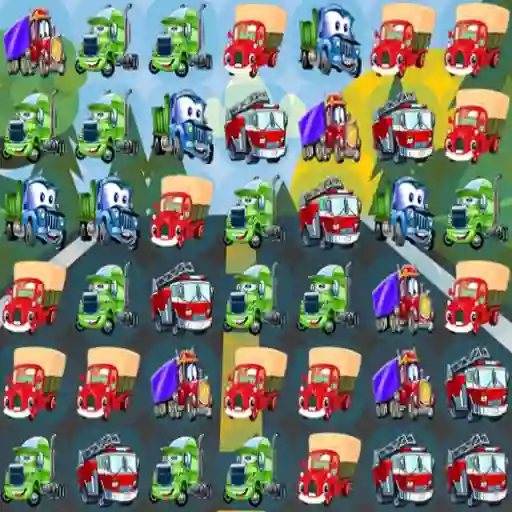
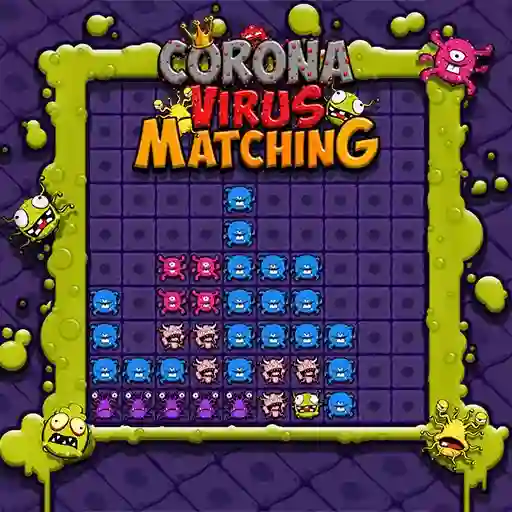

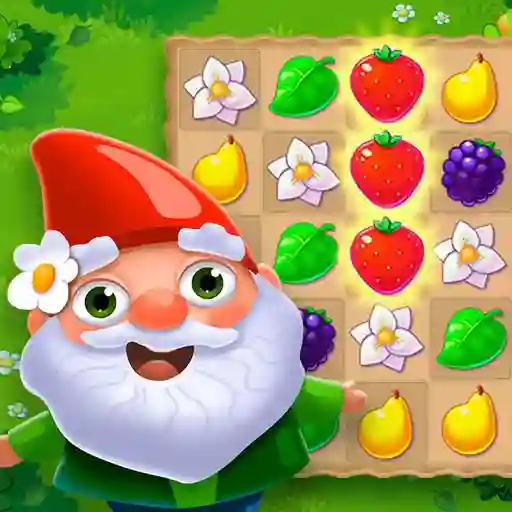
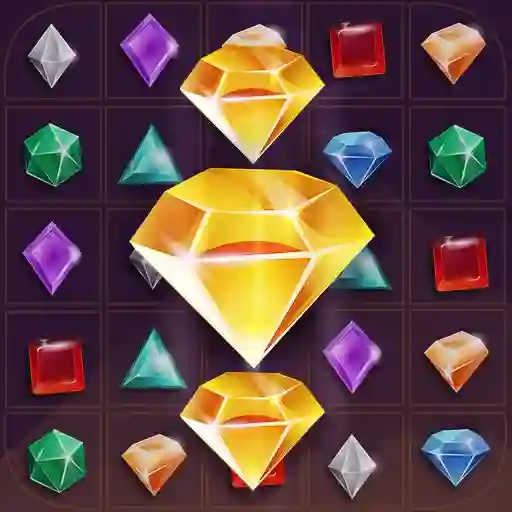
Matching games are a popular genre of puzzle games where players match identical elements (such as colors, shapes, or tiles) to achieve specific goals. These games often feature grid-based gameplay, requiring players to swap, select, or connect matching elements to clear them from the board. Examples of well-known matching games include Candy Crush Saga, Bejeweled, and Toon Blast.
Key features of matching games include:
What is the main objective of matching games?
The primary objective is to match identical elements (such as candies, jewels, or tiles) to clear them from the board and achieve specific level goals. These goals can vary, such as reaching a target score, clearing obstacles, or filling a meter.
How do power-ups work in matching games?
Power-ups are special items that appear when players match multiple elements in one move or create specific patterns. For example, matching 4 elements in a row might create a striped candy, which clears an entire row or column when used. These power-ups help players progress faster and score higher.
Are all matching games the same?
No, while the core mechanic of matching elements is consistent, there are many variations. Some games focus on timed matches, while others emphasize puzzle-solving or story progression. The difficulty level, visual style, and additional features can also vary significantly between games.