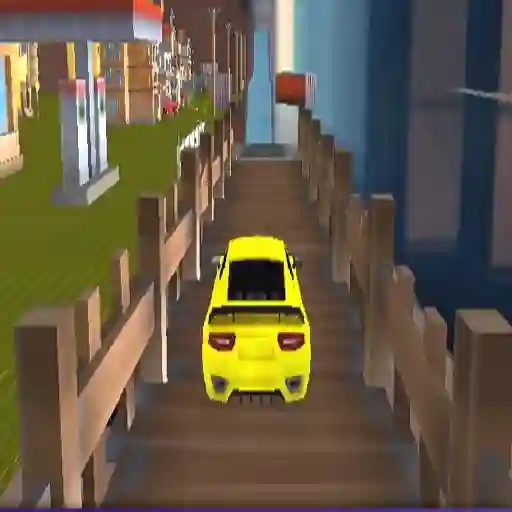







































3D games are interactive digital experiences that utilize three-dimensional graphics to create immersive environments. Unlike 2D games, which are limited to two axes (x and y), 3D games add depth (z-axis), allowing for more complex gameplay and realistic visuals. These games often feature:
• 3D models and textures for characters, objects, and environments
• Dynamic lighting and shadows for realism
• Particle effects for explosions, water, and other elements
• Realistic physics for simulations of gravity, collisions, and movement
• Multiplayer capabilities for competitive or cooperative play
3D games span a wide range of genres, including action, adventure, simulation, and puzzle games, and are available on PCs, consoles, mobile devices, and virtual reality (VR) platforms.
What makes 3D games different from 2D games?
3D games feature three-dimensional graphics and gameplay, allowing for greater depth and complexity. Players can move in three axes (x, y, z), enabling more immersive and dynamic experiences compared to 2D games, which are limited to two axes.
What are the hardware requirements for running 3D games?
Running 3D games typically requires a dedicated graphics processing unit (GPU), a multicore processor, and sufficient RAM. The specific requirements vary depending on the game's complexity and resolution.
Will 3D games continue to evolve in the future?
Yes, 3D games are expected to advance with improvements in graphics technology, physics engines, and artificial intelligence. Emerging trends like ray tracing, global illumination, and real-time physics will further enhance realism and gameplay.