
Game Overview
What is That's Not My Neighbor?
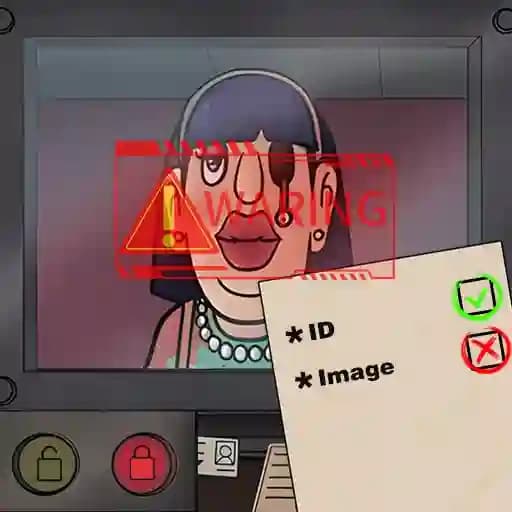
That's Not My Neighbor is a detective puzzle game where you play the role of a new janitor in a building. Your mission is to determine whether the person trying to enter the building is a monster in disguise. Monsters can transform into anyone and imitate them, but some are not perfect at hiding their true nature, often revealing flaws. The game requires you to pay attention to the details of your neighbors' appearances and complete checklists to identify potential threats.
Game Features
- Detective Mechanics: Analyze neighbors and visitors to uncover hidden monsters.
- Transformation System: Monsters can disguise themselves as anyone, but flaws in their imitation give them away.
- Checklist System: Complete checklists for each neighbor to track potential imposters.
- Puzzle Elements: Solve puzzles to progress and ensure the safety of the building.
- (descendants/missions): Each level brings new challenges and unique mysteries to solve.
How to Play That's Not My Neighbor?
- Observe the person trying to enter the building carefully for any flaws or discrepancies.
- Compare their appearance with your neighbors' known features using the checklist.
- Determine if the person is a monster or a genuine neighbor based on the evidence.
- Click or tap to make your decision and progress through the game.
- Note: The game is simple to play with mouse clicks or taps, but requires sharp observational skills to succeed.
Frequently Asked Questions
What is the main objective of the game?
The main objective is to identify whether the person trying to enter the building is a monster in disguise or a genuine neighbor by observing flaws in their appearance.
How do I spot a monster?
Monsters often reveal their true nature through flaws or inconsistencies in their imitation. Pay attention to details that don't match your neighbors' known features.
Is the game suitable for all ages?
No, the game is rated as not kid-friendly and is recommended for teens, young adults, and adults due to its theme and complexity.