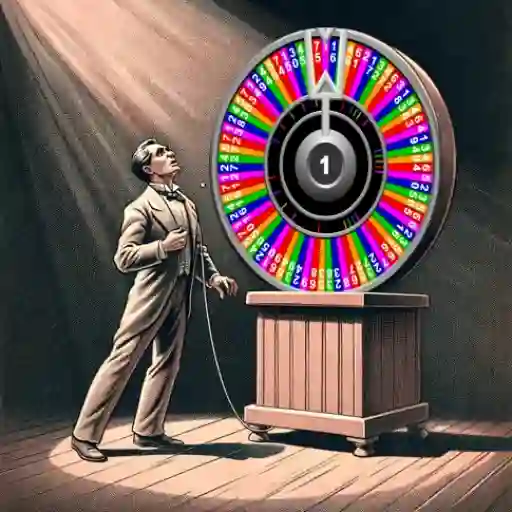
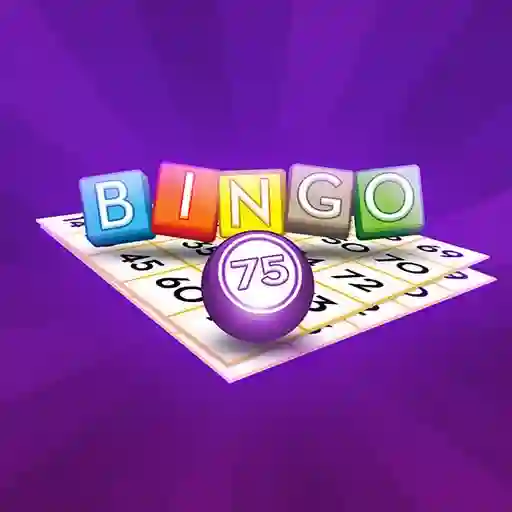
Bingo is a popular, social, and engaging game of chance that combines elements of luck and strategy. Originating from 16th-century Italy, it has evolved into a global phenomenon with various formats. Players use a card or ticket featuring a grid of numbers, and the goal is to mark numbers as they are randomly called out. The first player to complete a specific pattern (e.g., a line, shape, or full grid) wins the game.
Key features of Bingo games include:
• Random number generation: Numbers are drawn from a pool, usually ranging from 1 to 90 or 1 to 75, depending on the variation.
• Cards or tickets: Each player has a unique grid of numbers, often arranged in a 5x5 or 9x3 grid.
• Patterns and winning lines: Players aim to mark numbers in specific arrangements to win. Common patterns include lines, shapes, or a full house.
• Speed and variation: Modern Bingo includes faster-paced versions like Speed Bingo and themed games.
• Social interaction: Traditional Bingo halls foster a sense of community, while online versions offer chat functions and shared experiences.
To play:
What is the difference between 75-ball and 90-ball Bingo?
Can I play Bingo online?
Yes! Online Bingo is widely available, offering virtual cards, automated number callers, and virtual rewards.
Is Bingo a game of pure luck, or can I use strategy?
Bingo is primarily a game of chance, but players can increase their odds by using multiple cards or choosing games with fewer players.