 HotSeashore TreasureSeashore Treasure
 HotMy Halloween ItemsMy Halloween Items
 HotFZ Halloween MemoryFZ Halloween Memory
 HotChildren's Day MemoryChildren's Day Memory
 HotEcho SimonEcho Simon
 HotChuck Chicken MemoryChuck Chicken Memory
 HotAmerican Cars MemoryAmerican Cars Memory
 HotWord MakerWord Maker
 HotSchool Memory DeluxeSchool Memory Deluxe
 City MemoryCity Memory
 MatchemsMatchems
 Hidden Gold StarsHidden Gold Stars
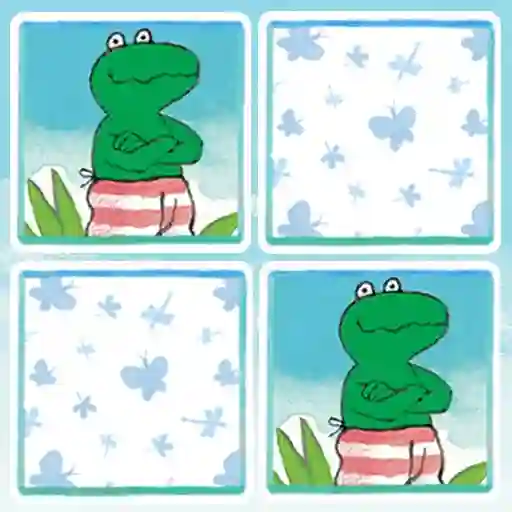 Kikker MemoKikker Memo
 Happy HalloweenHappy Halloween
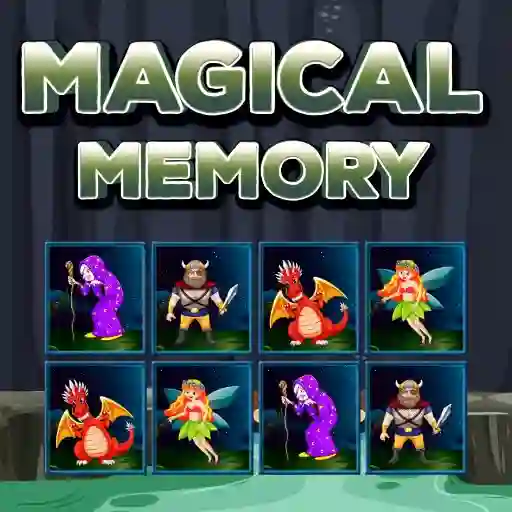 Magical MemoryMagical Memory
 Police Cars MemoryPolice Cars Memory
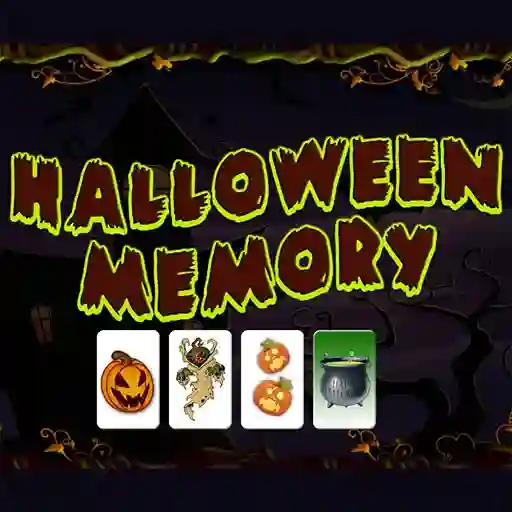 Halloween MemoryHalloween Memory
 Fruit Cocktail MemoryFruit Cocktail Memory
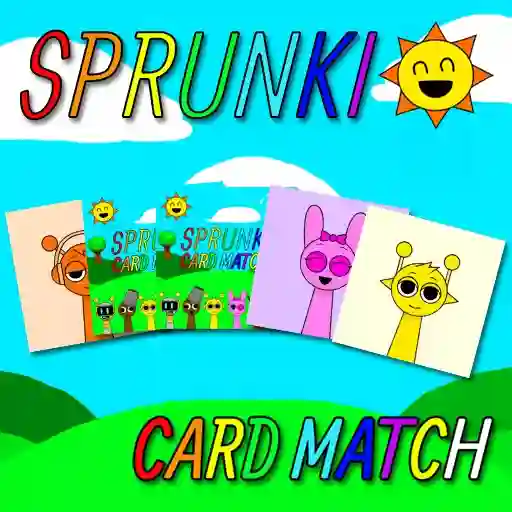 Sprunki Memory Card MatchSprunki Memory Card Match
 Foody MemoryFoody Memory
 Dino MemoryDino Memory
 Ice Cream Memory 2Ice Cream Memory 2
 Scratch & Match AnimalsScratch & Match Animals
 Genius MemoryGenius Memory
 quicknumquicknum
 Simon SaySimon Say
 Racing Cars Memory ChallengeRacing Cars Memory Challenge
 3 Card Monte3 Card Monte
 Purse Cards MatchPurse Cards Match
 Christmas Card MemoryChristmas Card Memory
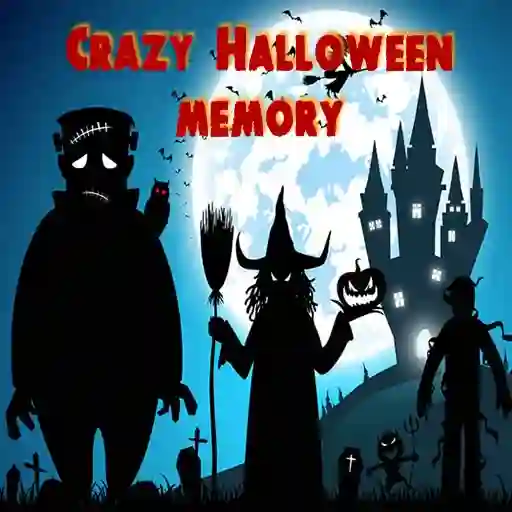 Crazy Halloween MemoryCrazy Halloween Memory
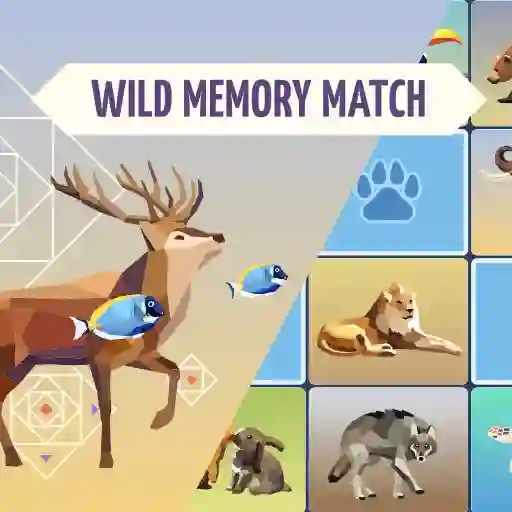 Wild MemoryWild Memory
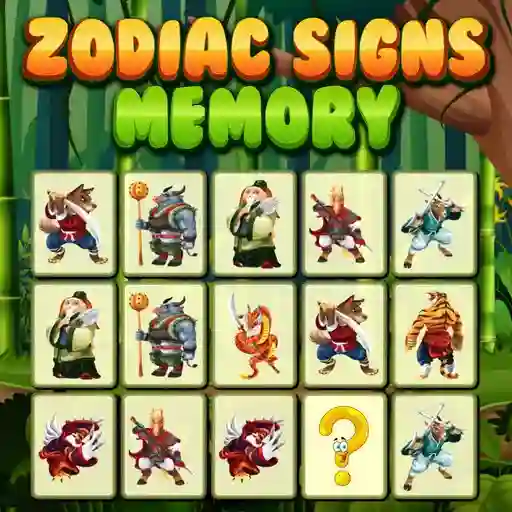 Zodiac Signs MemoryZodiac Signs Memory
 Spaceship Memory ChallengeSpaceship Memory Challenge
 Memory EmojiMemory Emoji
 Wild Animals MemoryWild Animals Memory
 Cars Card MemoryCars Card Memory
 Memory Match MagicMemory Match Magic
 Memory ChallengeMemory Challenge
 Lovely Couples MemoryLovely Couples Memory
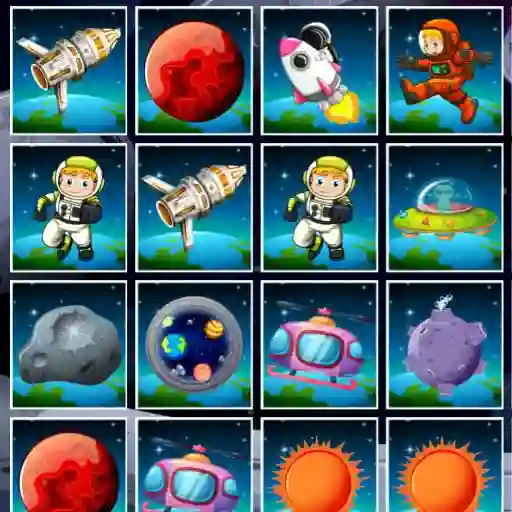 Space MemorySpace Memory
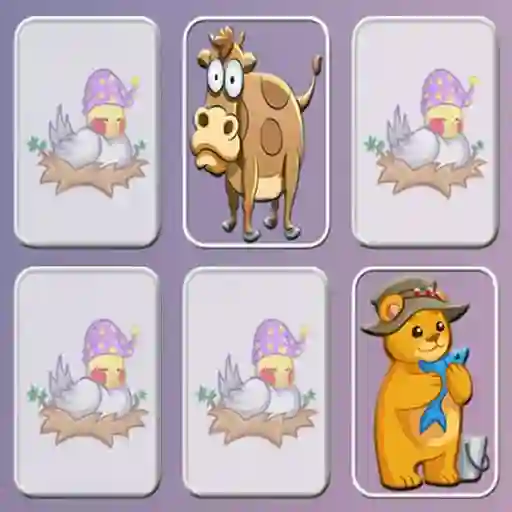 Animals Memory GameAnimals Memory Game
 Car PartsCar Parts
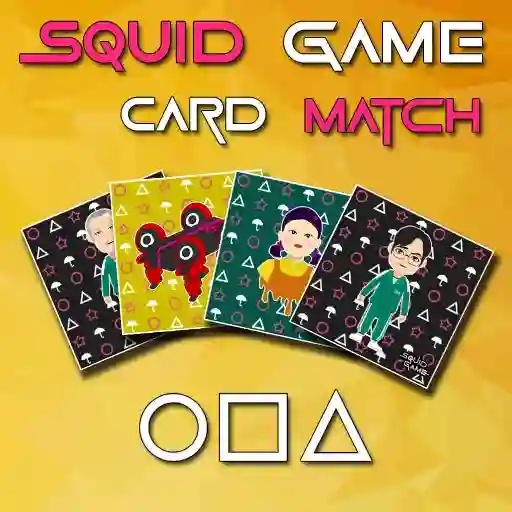 Squid Game Memory Card MatchSquid Game Memory Card Match
 Lappa MemoryLappa Memory
 Puzzle BrainPuzzle Brain
 EG Flags MemoryEG Flags Memory
 Spooky Memory CardSpooky Memory Card
 Mixer Trucks MemoryMixer Trucks Memory
 Brain 100Brain 100
 What's Inside?What's Inside?
 Airplane MemoryAirplane Memory
 Travelling Kids MemoryTravelling Kids Memory
 Cute Animals Pairs GameCute Animals Pairs Game
 Cute Fish Memory ChallengeCute Fish Memory Challenge
 Jungle MatchingJungle Matching
 Cute Birds MemoryCute Birds Memory
 Duck Memory ChallengeDuck Memory Challenge
Memory games on NowGames.net are free browser games for brain-training sessions, relaxing problem solving, and games that reward careful choices. Browse 58 free memory games with instant play, no downloads, and picks built around thoughtful challenges, clever rules, and clear goals.
Explore Memory games on NowGames.net with instant browser play, no downloads, and no account required. These games focus on logic, patterns, matching, memory, and satisfying problem solving, making the category useful for quick breaks as well as longer sessions. This category currently includes 58 free memory games, so there is room to compare styles and find a favorite.
Memory games are built for brain-training sessions, relaxing problem solving, and games that reward careful choices. Expect thoughtful challenges, clever rules, and clear goals, clear goals, and rounds that are easy to start from a phone, tablet, Chromebook, or desktop browser. Popular picks include Seashore Treasure, My Halloween Items, FZ Halloween Memory, and Children's Day Memory, giving you a quick starting point before you explore the full list.
Pick a game based on your mood: choose matching or sorting games for a calm break, or pick number and logic puzzles when you want a deeper challenge. Try a few rounds, notice the controls, and keep the games that match your pace. If you want a nearby style, continue with Arcade.
Memory games are free browser games focused on logic, patterns, matching, memory, and satisfying problem solving. This category gathers playable memory titles you can start quickly on NowGames.net.
Yes. The memory games listed here are free to play online, with no downloads, app installs, or account sign-ups required.
Most memory games run in modern browsers on phones, tablets, Chromebooks, laptops, and desktop computers. If one game needs a keyboard, try another from the same category.
Start with Seashore Treasure, My Halloween Items, and FZ Halloween Memory. These picks are useful entry points, then you can sort the category to find newer memory games.
Pick based on your mood: choose matching or sorting games for a calm break, or pick number and logic puzzles when you want a deeper challenge. Shortlist games with clear controls, fast loading, and goals that fit the kind of session you want.
